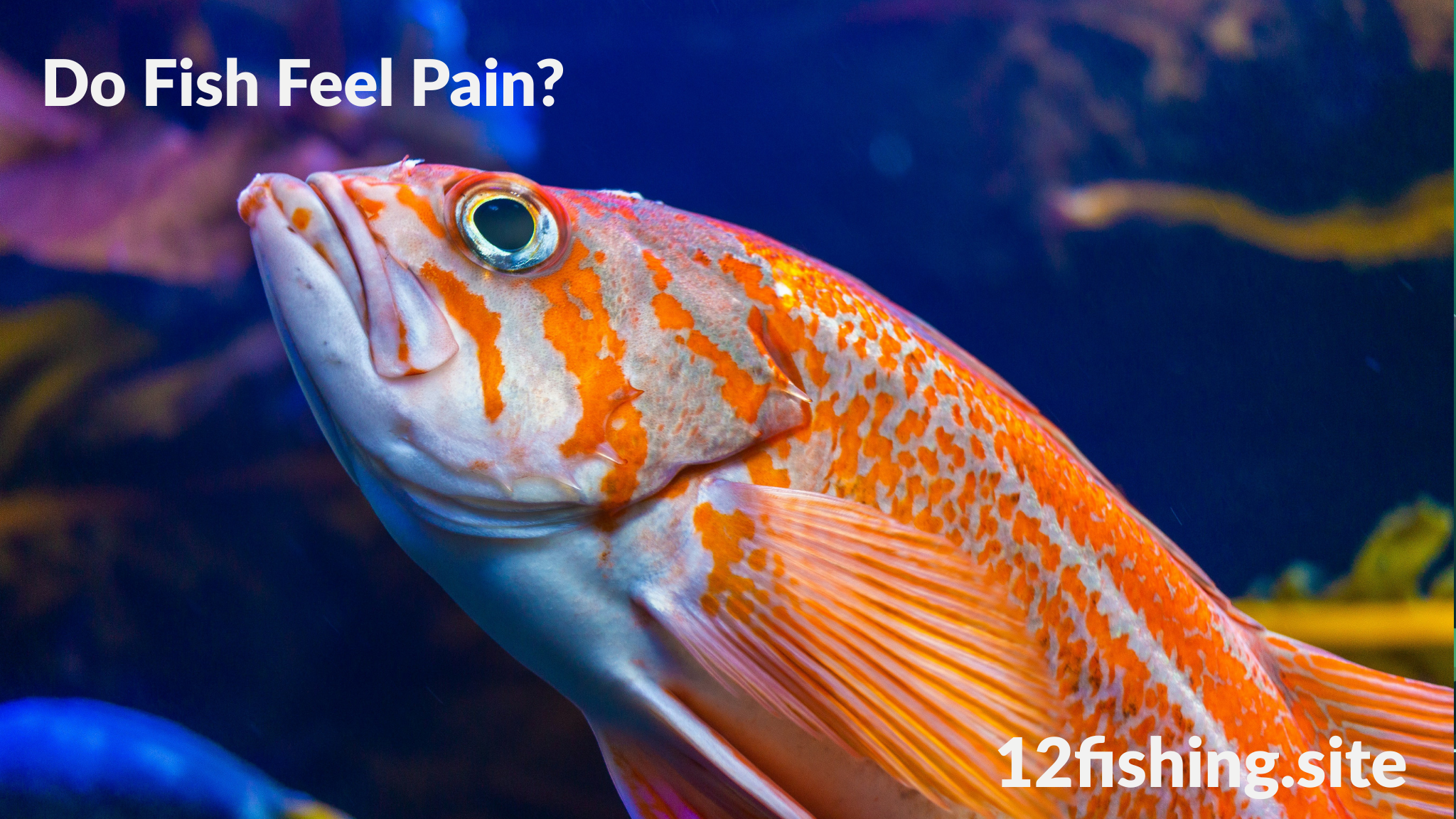
For years, anglers, scientists, and animal-care advocates have debated the same question: Do fish feel pain? While fish have very different bodies and brains than mammals, growing research suggests they can experience something more than simple reflexes. They respond to injury, show signs of distress, and can even learn to avoid painful situations. This does not automatically mean fish feel pain exactly as humans do, but the evidence increasingly supports that they experience some form of suffering.
Below is a detailed look at what science says about fish pain in various common situations.
1. Do fish feel pain from fishing?
Modern studies indicate that fish are capable of perceiving harmful or negative stimuli, including those encountered during fishing. Fish have nociceptors—sensory receptors that detect potentially damaging events—particularly around their mouths and heads. When hooked or stressed, they show measurable behavioral changes: rapid swimming, attempts to escape, rubbing their mouths against surfaces, or becoming lethargic afterward.
While some argue that these reactions are merely mechanical reflexes, research has shown that fish can modify their behavior after an injury, avoid similar threats in the future, and exhibit signs consistent with pain perception. For example, trout injected with painful substances rub their lips on tank walls and eat less—behaviors that do not appear during benign stimulation. This suggests that fishing can cause more than just reflexive reactions.
2. Do fish feel pain in their fins?
Fins contain sensory nerves, although fewer nociceptors compared to areas around the mouth. When a fin is torn or damaged—whether from predators, rough handling, tank mates, or hooks—a fish often reacts by favoring the injured area, decreasing swimming activity, or showing stress-related behavior like hiding.
Fin damage can also affect balance and movement, increasing the fish’s anxiety and vulnerability. While the level of pain sensation may differ from more sensitive areas, evidence suggests that fin injury can cause discomfort and distress. Fish may not express pain in the same outward ways mammals do, but their behavioral shifts imply that fin injuries matter to them.
3. Do fish feel pain from hooks?
Hook injuries are one of the clearest situations where fish are likely to experience pain. The mouth and lips of fish are rich in nerves, including nociceptors. When a hook penetrates this tissue, it causes tissue damage similar to a puncture wound in any other animal.
Studies show:
- Fish struggle more intensely during initial hooking.
- Stress hormone (cortisol) levels rise significantly after capture.
- Fish exhibit avoidance behavior when they encounter similar gear later, indicating memory of a negative experience.
Some species, like carp, have been observed avoiding certain bait types for long periods after being hooked once. This suggests the hook experience has a lasting impact—not just a momentary reflex.
4. Do fish feel pain when filleted?
Filleting a fish while it is still alive is widely considered inhumane. Scientific consensus strongly indicates that conscious fish can experience extreme distress during such procedures.
A fish’s brain remains active for minutes after being removed from water, and even longer in some species. Without proper stunning or humane killing, the fish may remain aware of pain during cutting or gutting. Many regions now require fish to be stunned or killed before processing for this reason.
In traditional markets or informal settings, however, fish are sometimes cut while still moving, which likely results in significant suffering. Ethically and scientifically, filleting should only occur after the fish is fully insensible.
5. Do fish feel pain from catch and release?
Catch-and-release is often promoted as a more ethical alternative to keeping fish. However, it is not entirely pain-free. Released fish may experience:
- Mouth or facial injuries from hooks
- Exhaustion from the struggle
- Increased cortisol (stress hormone)
- Scale loss or fin tears from handling
- Risk of infection at the hook site
That said, catch-and-release can be relatively low-impact when done properly, especially with barbless hooks, minimal air exposure, and gentle handling.
Some fish fully recover within minutes to hours, while others may suffer long-term damage or die later from stress. The level of harm varies based on species, water temperature, hook type, and handling methods. While catch-and-release is better than killing the fish outright, it is not completely painless or harmless.
6. Do fish feel pain when frozen?
Freezing is sometimes used to euthanize small fish, particularly in home aquariums. However, most veterinary guidelines state that freezing conscious fish is not humane. As the temperature drops, ice crystals form inside tissues, which can cause distress or pain before the fish becomes insensible.
Fish are ectothermic (cold-blooded), so their metabolism slows as temperatures drop, but this does not automatically eliminate perception. The process can take several minutes, during which discomfort may occur.
A humane alternative is rapid stunning or a scientifically approved anesthetic (like MS-222, used by researchers and veterinarians). Only after the fish is fully unconscious should freezing be used as a finishing step.
7. Do fish feel pain when removed from water?
Being removed from water can be highly stressful for fish. Several factors likely contribute to discomfort or distress:
- Difficulty breathing: Fish gills collapse in air, making oxygen uptake nearly impossible.
- Temperature change: Air exposure may create a rapid shift in temperature.
- Desiccation: Gills begin to dry almost immediately, reducing function.
- Thrashing movements: These may indicate panic or discomfort rather than simple reflexes.
Research suggests that air exposure greatly increases stress hormone levels and can cause suffocation distress similar to drowning in mammals. Even brief periods out of water can harm sensitive species. For this reason, minimizing air exposure is one of the most important best practices in ethical fishing and fish handling.
Conclusion
While fish do not experience pain in the same way humans do—they lack certain brain structures—we have strong evidence that they do feel something more than simple reflexive responses. Whether it’s hooking, handling, freezing, or processing, fish show consistent behavioral and physiological responses that align with pain or distress.
Ultimately, acknowledging that fish can suffer does not mean fishing must end. Rather, it encourages more responsible practices: using barbless hooks, minimizing air exposure, handling fish gently, and ensuring humane treatment in both recreational and commercial settings.
Understanding fish pain is not just a scientific question—it’s an ethical one. The more we learn, the more we can choose approaches that respect the lives of these remarkable animals.