Sleep is a universal biological need, yet it looks different across the animal kingdom. Fish, in particular, display sleep in ways that can seem almost mysterious. They don’t have eyelids (except for a few species like sharks), they live in constantly moving water, and many inhabit environments full of predators. Despite these challenges, fish do sleep—but their sleep doesn’t resemble the deep, motionless slumber we associate with mammals. Instead, fish enter a state of rest that conserves energy while still keeping them alert enough to survive in their environment. Below, we explore how fish sleep across different situations and habitats.
1. How Do Fish Sleep With Their Eyes Open?
Most fish sleep with their eyes open simply because they cannot close them. With the exception of some sharks and a few specialized species, fish lack eyelids. This means they cannot block out light or visually signal that they are resting. Instead, their “sleep” is defined by behavior and brain activity rather than appearance.
When a fish sleeps with its eyes open, several changes occur:
Reduced Activity
Sleeping fish slow their movements significantly or become almost completely still. Their breathing rate also slows down, conserving energy.
Lowered Responsiveness
Although their eyes remain open, fish respond less to stimuli like movement, sound, or food. However, they are not completely unaware—most stay alert enough to detect threats.
Altered Body Position
Many species drift in place, hover near the bottom, wedge themselves between rocks, or find sheltered spots. Some even change color during rest due to shifts in pigment cells.
Since fish can’t close their eyes to block light during rest, they rely heavily on environmental cues—such as darkness, refuge spots, or reduced activity around them—to signal when it’s time to sleep.
2. How Do Fish Sleep in the Ocean?
Sleeping in the open ocean is uniquely challenging. There is constant water movement, shifting light conditions, and predators at every depth. To cope with these conditions, ocean fish have evolved diverse sleep strategies:
Resting While Drifting
Some pelagic fish, such as tuna and mackerel, are believed to engage in “unihemispheric vigilance”—resting one part of the brain at a time while maintaining slow swimming. This prevents sinking and ensures oxygen-rich water flows over their gills.
Finding Shelter
Reef fish and smaller ocean fish frequently hide in coral crevices or under ledges at night. Some species, like parrotfish, take this a step further: they secrete a mucous cocoon that masks their scent from predators.
Schooling Sleep
Certain schooling fish remain in loosely organized groups while resting. The safety of the group allows each fish to reduce movement without becoming easy prey.
Depth-Dependent Sleep Patterns
Light plays a major role. Fish living near the surface tend to rest at night, while deep-sea fish—living in perpetual darkness—follow different cycles based on food availability or internal rhythms rather than sunlight.
In the vastness of the ocean, fish balance rest with constant awareness. Their sleep is adaptive, flexible, and deeply tied to their ecological needs.
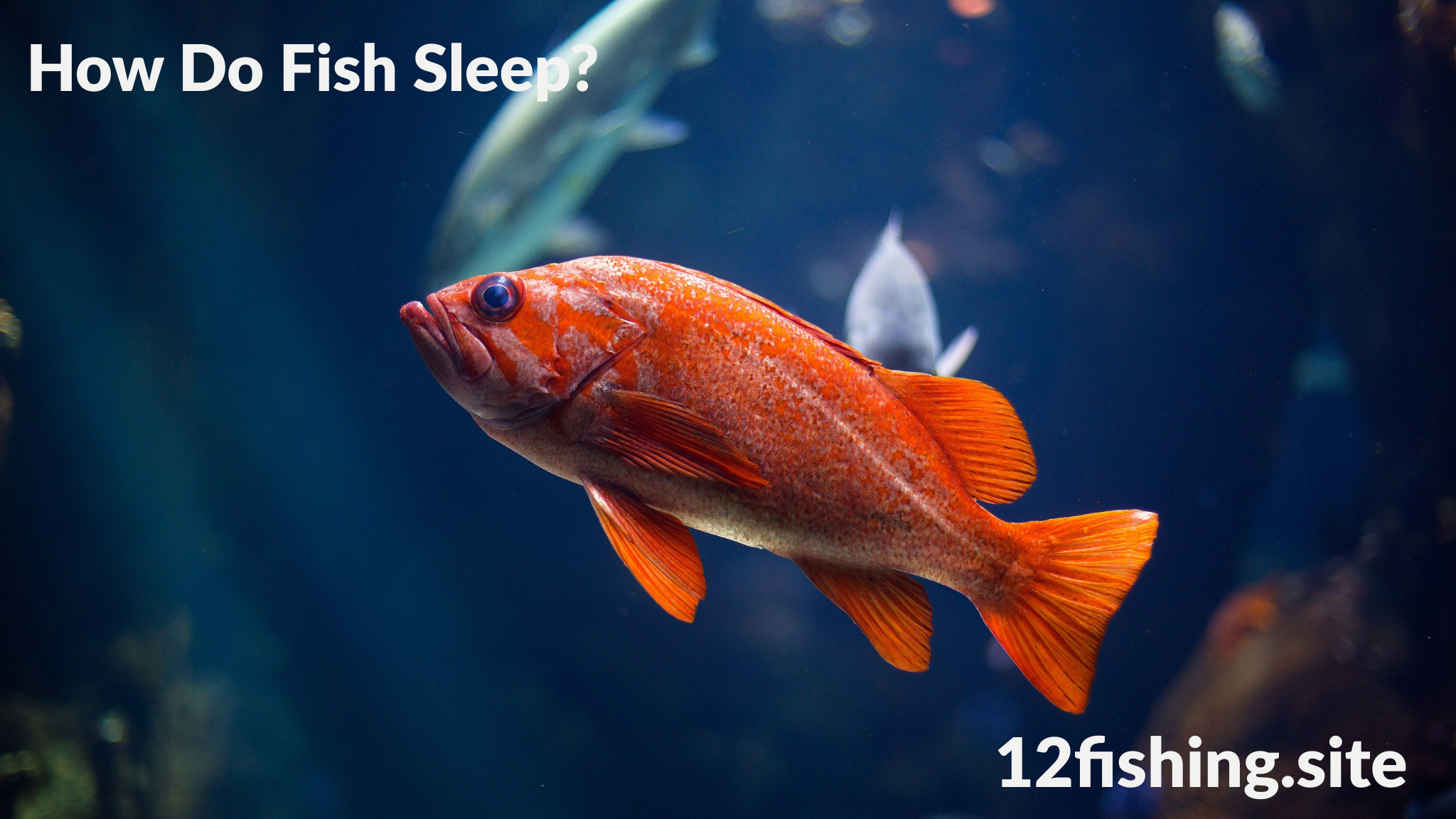
3. How Do Fish Sleep in Water?
Sleeping in water presents obstacles that land animals never face. Fish must maintain oxygen flow, buoyancy, and awareness of their surroundings even when resting.
Here’s how fish manage sleep without compromising these essential functions:
Maintaining Buoyancy
Unlike mammals, fish cannot simply lie down. Many species find stable spots, like sandy bottoms or still pools. Others hover gently, using minimal fin movement to remain suspended.
Keeping Water Flowing Over Gills
Some fish rely on passive water flow for breathing. These species may position themselves in slow-moving currents while resting to ensure continuous oxygen intake.
Reduced Metabolism
During sleep, a fish’s metabolic rate drops. This helps them conserve energy—essential in environments where food may be scarce or predators numerous.
Minimal Body Movement
Sleeping fish often appear motionless or move very slowly. Their slow, rhythmic fin movements are usually just enough to maintain balance and oxygen flow.
Because water is a dynamic environment, fish have adapted sleep patterns that maintain essential bodily functions without exposing them to unnecessary risk.
4. How Do Fish Sleep at Night?
Many fish are diurnal—active during the day and resting at night. For these species, nighttime is their primary sleep period.
Environmental Darkness
Nighttime reduces visual cues for predators and prey alike. This decrease in activity across the ecosystem creates a natural window for rest.
Behavioral Indicators
At night, sleeping fish typically:
- Drift near the bottom
- Hide in plant cover or rocks
- Slow their breathing
- Hover motionless in the water
- Become less responsive to disturbances
Color Changes
Some fish undergo nighttime color changes, a phenomenon known as “nighttime camouflage.” It helps them blend into darker surroundings while resting.
Species Variations
Not all fish sleep at night. Nocturnal species—such as some catfish—reverse the pattern, sleeping during the day and hunting after dark. Their sleep behavior is similar but shifts to align with their lifestyle and habitat.
Overall, nighttime sleep is common and is often the safest time for many fish to rest.
5. How Do Fish Sleep Without Eyelids?
The absence of eyelids doesn’t prevent fish from sleeping, but it does shape how they sleep.
Relying on Other Senses
Since they cannot block out light, fish rely on:
- Changes in temperature
- Darkness in their environment
- Reduced water movement
- Internal circadian rhythms
to signal rest time.
Brain-Based Rest
Fish sleep is more like a “resting state” than human sleep. Their brains show reduced activity, but not the complex stages seen in mammals.
Staying Partially Alert
Without eyelids, fish must remain visually aware even when resting. This is why their sleep is shallow and easily interrupted—an evolutionary trade-off for survival.
Using Safe Sleeping Spots
Because they cannot appear “asleep,” shelter is crucial. Rocks, plants, coral, and cavities offer safety from predators during rest.
In essence, fish sleep without eyelids by relying on behavioral and physiological changes rather than visual cues.