Fish are one of the most diverse and abundant groups of animals on the planet. From the deepest ocean trenches to the freshwater rivers in remote regions, fish are found in nearly every aquatic environment. With their diversity, it can be challenging to pinpoint exactly how many fish species exist across the globe. In this article, we will explore the number of fish species in different ecosystems, including the entire world, the oceans, the Amazon River, and Ethiopia.
How Many Fish Species Are There in the World?
As of the latest scientific estimates, there are approximately 34,000 species of fish worldwide. This number continues to change as new species are discovered, and some species are reclassified based on new genetic research. Fish represent the most diverse group of vertebrates on Earth, surpassing even birds and mammals in species count.
Fish are found in a wide variety of environments, from shallow coastal waters to the deepest parts of the ocean. There are two major categories of fish: bony fish (Osteichthyes), which make up the majority, and cartilaginous fish (Chondrichthyes), such as sharks, rays, and skates. While bony fish account for the majority of species, cartilaginous fish are also an important group with significant ecological roles.
The diversity of fish species is not just a testament to their evolutionary success but also to their ability to adapt to different environmental conditions. Fish can be found in every continent, in both freshwater and saltwater, from the coldest polar seas to the warmest tropical rivers.
How Many Fish Species Are There in the Ocean?
The oceans are home to a vast majority of the world’s fish species. The marine environment—covering over 70% of the Earth’s surface—is home to some of the most diverse ecosystems. Experts estimate that around 18,000 to 20,000 species of fish inhabit the world’s oceans, although the true number may be even higher as exploration continues.
The ocean is divided into several distinct zones, each of which harbors unique species of fish. The shallow coastal waters near the shores of continents are home to many species of reef fish, such as clownfish, parrotfish, and groupers. The deep-sea regions harbor species that have adapted to extreme conditions, such as the anglerfish, bioluminescent fish, and various species of deep-water sharks.
Marine fish are not only diverse in terms of their physical characteristics and habitats, but they also have a wide range of feeding strategies. Some are herbivores that graze on algae, while others are apex predators, such as sharks and swordfish, that hunt other marine creatures. The coral reefs, often referred to as the “rainforests of the sea,” are among the most species-rich ecosystems in the world, supporting thousands of different species of fish.
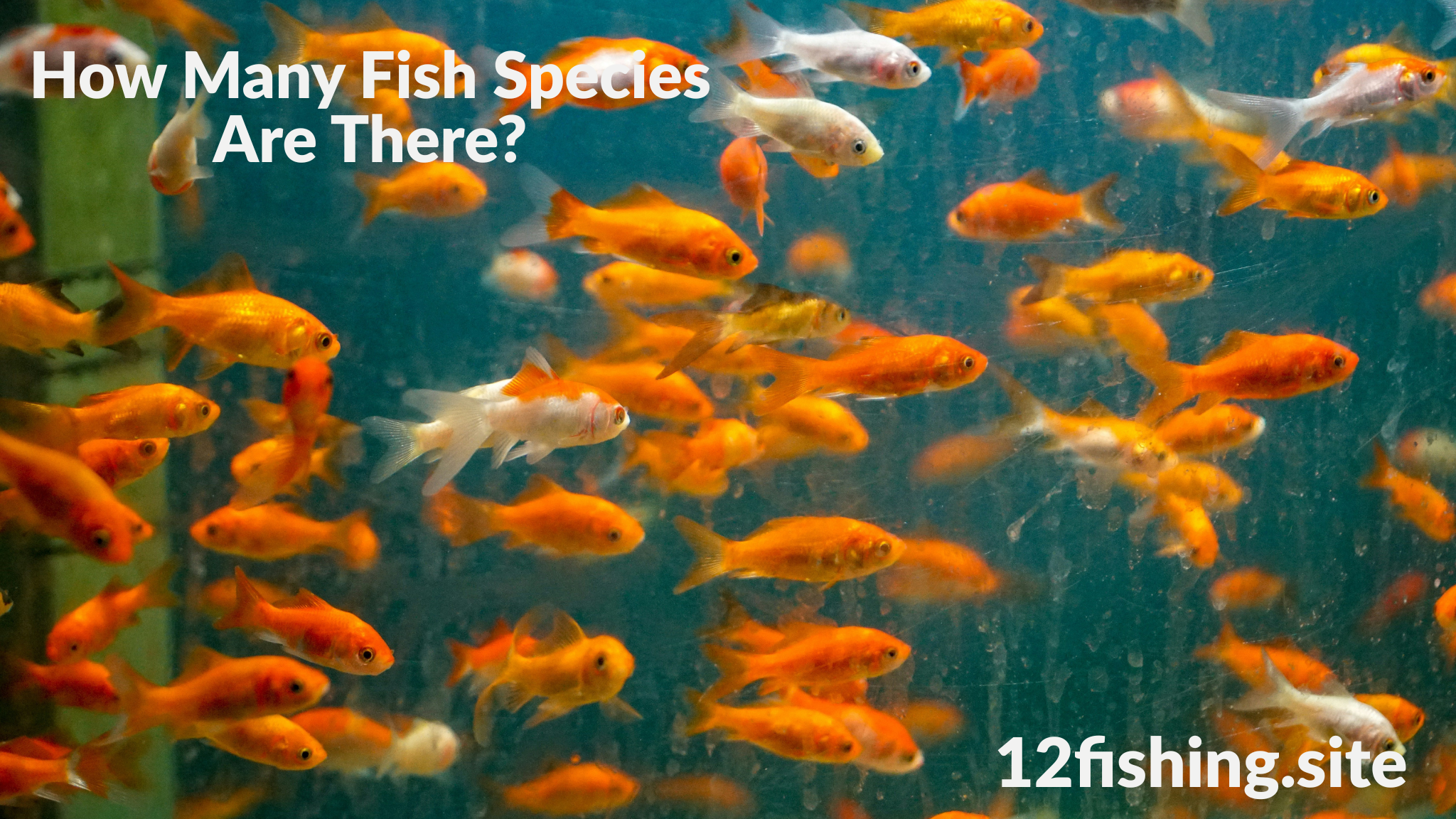
The global distribution of fish in the ocean is influenced by various factors, including water temperature, salinity, depth, and food availability. The tropical regions, such as the Indo-Pacific area, tend to have the highest diversity of marine fish species due to the warm water temperatures and rich biodiversity.
How Many Fish Species Are There in the Amazon River?
The Amazon River, often referred to as the “lungs of the Earth,” is a vast and biodiverse river system located in South America. Spanning approximately 4,000 miles (6,400 km), it is home to a staggering number of fish species. Scientists estimate that there are around 2,200 to 2,500 species of fish living in the Amazon River basin. This number is higher than any other freshwater system in the world, showcasing the region’s unique biodiversity.
The Amazon River and its tributaries are a critical part of the world’s freshwater ecosystem. They support a variety of ecosystems, including floodplains, wetlands, and forested areas, which provide diverse habitats for fish. The combination of tropical climate, varied water conditions, and rich nutrients from the rainforest contributes to the high species count.
Fish in the Amazon exhibit a wide range of adaptations to the environment. Some species, like the piranha, are carnivorous and well-known for their sharp teeth and aggressive behavior, while others, like the tetras and catfish, are herbivorous or scavengers. The Amazon River is also home to several iconic species, such as the Arapaima (one of the largest freshwater fish in the world) and the electric eel (which uses electricity to stun its prey).
One of the most fascinating aspects of the fish in the Amazon River is their ability to adapt to the river’s annual flooding. During the rainy season, the river swells, submerging large portions of the rainforest. Fish must migrate between different habitats to follow the changing water levels, and many species are adapted to survive in both fast-moving waters and stagnant, flooded areas.
How Many Fish Species Are There in Ethiopia?
Ethiopia, a landlocked country in the Horn of Africa, is home to a variety of freshwater fish species, although it is less renowned for its aquatic diversity than regions like the Amazon. Ethiopia’s fish species count is not as high as those in tropical rainforests, but it still boasts a fascinating array of species, particularly in its lakes and rivers.
In total, there are an estimated 200-250 species of fish found in Ethiopia’s freshwater systems. These fish are primarily found in the country’s several large lakes, including Lake Tana, Lake Ziway, and Lake Awasa, as well as its numerous rivers and streams.
Lake Tana, the largest lake in Ethiopia and the source of the Blue Nile, is particularly rich in species. Among its notable fish are the Nile Tilapia, Barbus species, and Catfish. These lakes are home to fish that have adapted to the high-altitude environment and unique chemical composition of the waters.
Ethiopian rivers, such as the Omo River and Wabe Shebele, are also home to various species of fish, including carp and cichlids. Some of these species are endemic, meaning they are found nowhere else in the world. However, Ethiopia’s aquatic ecosystems are under threat due to factors such as climate change, water pollution, and overfishing, which are affecting the diversity of fish species in the region.
Conclusion
Fish species are found all over the world, from the vast expanses of the ocean to the narrowest freshwater streams. With over 34,000 known species of fish, the diversity of these animals is truly remarkable. The oceans alone house the majority of this diversity, while regions like the Amazon River and Ethiopia provide unique ecosystems that support hundreds of specialized species.
As scientists continue to explore and catalog the world’s aquatic environments, the number of known fish species is likely to grow. The incredible adaptability of fish, their ability to survive in both freshwater and saltwater, and their varied feeding habits make them one of the most successful groups of animals on Earth. However, the future of many fish species depends on how we manage and protect the aquatic ecosystems they call home