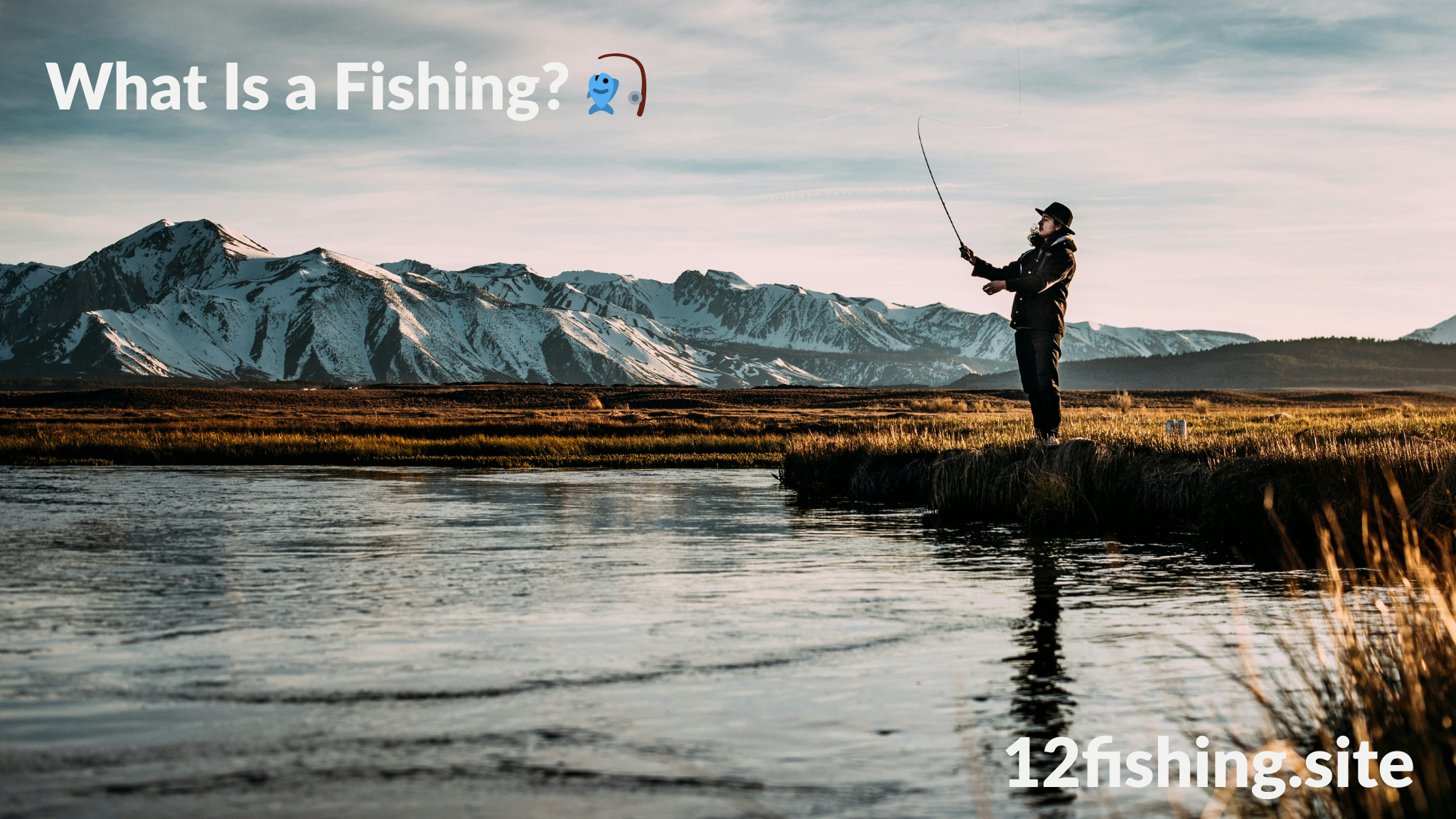
Fishing is one of the oldest human activities—part sport, part tradition, and part survival skill. From ancient handlines to modern sonar-equipped boats, fishing has evolved into a diverse practice that includes recreational angling, commercial harvesting, and conservation-focused management. To fish successfully, anglers rely on specialized gear, techniques, and knowledge of aquatic ecosystems. Below is a detailed guide to key fishing terms and tools often encountered by beginners and experienced fishermen alike.
1. What Is a Fishing Jig?
A fishing jig is a type of lure consisting of a weighted head and a hook, usually dressed with soft plastic, feathers, or hair. Anglers use jigs to mimic prey such as baitfish, crawfish, or insects. The weight allows the jig to sink quickly, making it ideal for fishing near the bottom where many species feed.
Jigs come in various shapes—round heads, football heads, swim jigs, and more—each designed for different water conditions. To fish a jig effectively, anglers typically employ a “jigging” motion: lifting the rod tip to make the lure hop, swim, or twitch, then letting it fall. This action simulates a struggling or fleeing prey animal, triggering predatory fish like bass, walleye, and snapper to strike.
2. What Is a Fishing Leader?
A fishing leader is a short length of line attached between the main line and the hook or lure. Leaders serve several purposes:
- Abrasion resistance: Some species have sharp teeth or rough mouths that can fray regular line. Leaders made of fluorocarbon, monofilament, or wire prevent break-offs.
- Reduced visibility: Fluorocarbon leaders are nearly invisible underwater, helping anglers catch wary fish.
- Shock absorption: Strong, slightly stretchy leaders help absorb the impact of sudden strikes.
Leaders vary from thin and stealthy freshwater setups to heavy-duty offshore leaders used to catch tuna, sharks, and other powerful fish
3. What Is a Fishing Lure?
A fishing lure is an artificial object designed to attract fish by imitating prey or provoking curiosity. Unlike bait, which is natural food, lures rely on movement, color, vibration, and scent to draw strikes. They come in many categories:
- Soft plastics: Worms, minnows, frogs, and creature baits made of soft, flexible material.
- Hard baits: Crankbaits, jerkbaits, and topwater plugs that create noise and motion.
- Spinnerbaits and spoons: Metal lures that flash and vibrate.
- Jigs: Weighted hooks with dressings (as covered earlier).
Choosing the right lure depends on water conditions, targeted species, and the fish’s feeding behavior at the time.
4. What Is Fishing Tape?
Fishing tape, also known as fish tape, is not used for catching fish. Instead, it’s a tool commonly used in electrical and construction work to pull wires through walls or conduits. However, in a fishing context, some anglers refer to specialized adhesive tapes used to:
- Identify rods or gear
- Protect fishing rod guides
- Wrap reel seats for grip
- Reinforce knots or connections during big-game fishing
Although the term is less common in angling, it can refer to any tape used to maintain or manage fishing equipment.
5. What Is a Fishing Tackle?
Fishing tackle refers to all the gear and equipment used to catch fish. This broad category includes:
- Rods and reels
- Lines, hooks, and sinkers
- Floats and bobbers
- Lures and baits
- Nets, gaffs, and traps
- Tackle boxes and storage tools
Tackle varies greatly by fishing style. For example, fly fishing tackle includes specialized rods, reels, fly lines, tippets, and handcrafted flies. Saltwater anglers may use stronger, corrosion-resistant tackle. Freshwater anglers often require lighter setups. Understanding the right tackle for the right situation is essential for successful fishing.
6. What Is a Fishing Charter?
A fishing charter is a guided fishing trip led by a licensed captain, typically on a boat equipped with the necessary gear, safety equipment, and local expertise. Charters are popular for anglers who want to:
- Target specific species such as marlin, redfish, or snapper
- Learn new techniques
- Explore unfamiliar waters
- Avoid the expense of owning and maintaining a boat
Charters can be inshore, nearshore, or offshore, depending on the distance from land and targeted species. Captains often provide everything: tackle, bait, and knowledge of where fish are likely to be biting.
7. What Is Fishing Stock?
Fishing stock, or fish stock, refers to a population of fish within a specific geographic area that can be harvested sustainably. Fisheries managers track stock levels to ensure that species don’t decline due to overfishing or environmental pressures.
Key components of fish stock management include:
- Population surveys
- Catch limits or quotas
- Seasonal restrictions
- Size limits
Healthy fish stocks ensure long-term fishing opportunities for recreational and commercial anglers. Declining stocks can result in strict regulations or even temporary fishery closures to allow populations to recover.
8. What Is Fishing Braid?
Fishing braid, short for braided fishing line, is a type of fishing line made by weaving together several strands of synthetic fibers such as Spectra or Dyneema. Braid is known for:
- High strength-to-diameter ratio: Thinner line with greater strength compared to monofilament.
- No stretch: Excellent sensitivity, allowing anglers to detect subtle bites.
- Long life: Resistant to UV damage and abrasion.
Braid is often used for deep-water fishing, heavy cover, or situations requiring strong hooksets. Many anglers pair braid with a mono or fluorocarbon leader to reduce visibility and improve presentation.
Final Thoughts
Fishing is more than casting a line; it’s a craft that involves specialized tools, techniques, and knowledge of aquatic environments. Whether you’re jigging for bass, booking a charter for offshore adventure, or learning the basics of tackle, understanding key fishing terms helps you become a more effective and confident angler. With the right equipment and skills, fishing offers endless opportunities for relaxation, challenge, and connection with nature.